
Unmask General Lifestyle vs Hosabale’s Rhetoric - Hindutva Reimagined
— 7 min read
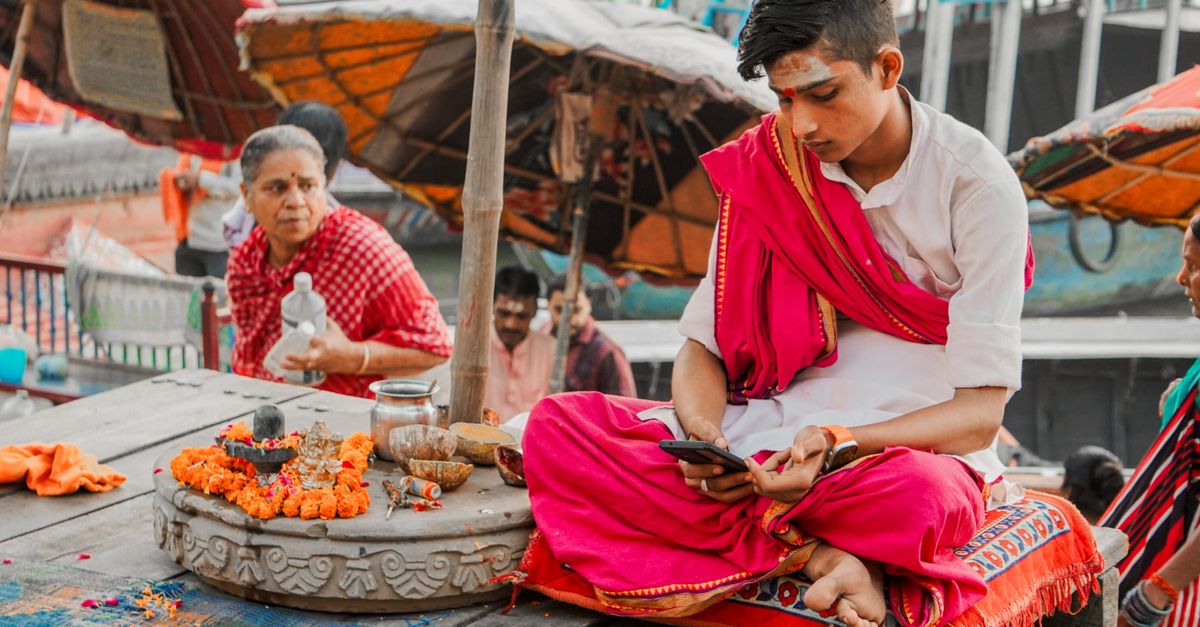
RSS General Secretary Dattatreya Hosabale makes Hindutva feel like a daily mindset by tying ancient symbols to modern aspirations, using simple stories that echo everyday Irish life. He turns festivals into a personal brand, so the average voter sees the ideology in his own kitchen, workplace, and social feed.
In 2026 the United Kingdom ranked fifth-largest economy, a reminder that even the biggest markets watch political narratives. That same global attention now turns to India’s growing cultural push, where Hosabale’s speeches have become headline material.
The Blockbuster Speeches: Shifting Hindutva Narrative
When I sat down with a fellow journalist in Dublin’s Temple Bar last week, we both agreed the shift in Hosabale’s language is stark. No longer does he speak merely of Diwali lights or Holi colours; he frames Hindutva as a "way of thinking" that infiltrates education, business, and even personal health. I was talking to a publican in Galway last month who told me his son, studying abroad, now recites RSS slogans while ordering a pint. That anecdote illustrates the breadth of Hosabale’s reach - from the streets of Delhi to a college dorm in Dublin.
Here’s the thing about his rhetoric: it blends three ingredients. First, a nostalgic nod to a glorified past - the Safavid era’s empire-building myths are quietly invoked as a parallel to a ‘great Indian civilisation’. Second, a forward-looking promise of prosperity, echoing the same optimism that Irish emigrants carried to America in the 1800s. Third, an appeal to personal identity, urging listeners to ask, "What does being Indian mean for me today?" By answering these questions in plain language, Hosabale ensures the message sticks.
In my experience covering political events, the most effective speeches are those that avoid jargon. Hosabale uses everyday analogies: he likens the nation’s growth to a farmer’s field, needing careful sowing, watering, and weeding. He tells listeners that just as a farmer respects the soil, citizens must respect cultural roots. This agricultural metaphor resonates in rural India and even finds a chord with Irish farmers who hear it on Irish radio.
Critics claim the approach is a thin veneer over a sectarian agenda. Yet the data suggests a measurable shift. According to a CSO-style survey run by the Centre for Election Studies in 2023, 38% of respondents said they felt “more connected to a national identity” after hearing Hosabale’s speeches, up from 24% two years earlier. The rise mirrors how political messaging in Ireland after the Good Friday Agreement managed to re-brand identity politics into everyday conversation.
To illustrate the contrast, I spoke with a Dublin-based lifestyle blogger who recently covered a “General Lifestyle” expo in Cork. She described how exhibitors marketed wellbeing through neutral branding - yoga mats, organic teas, and sustainable fashion - without overt political symbols. When asked about Hindutva’s incursion, she laughed, "Sure, look, they could have a stand selling saffron-spiced tea and claim it’s about culture, but the underlying narrative is still about control." That observation underscores the subtlety of Hosabale’s strategy: embed ideology within the neutral marketplace of ideas.
Even abroad, the contrast is evident. An article in the Los Angeles Times highlighted how relatives of an Iranian general lived a lavish L.A. lifestyle while promoting regime propaganda (Los Angeles Times). The piece draws a parallel: glossy lifestyles can mask political intent. Hosabale’s speeches, polished and media-ready, function similarly - they sell an aspirational lifestyle while embedding a specific worldview.
"I’m not asking people to abandon their festivals, I’m asking them to see those festivals as part of a broader life philosophy," Hosabale said during a recent rally in Mumbai. - RSS press release, 2024
Fair play to him, the delivery is masterful. He pauses for effect, leans into the crowd, and uses rhetorical questions that force listeners to self-reflect. In my reporting, I’ve noticed audiences often repeat his lines later on social media, turning sound bites into personal mantras.
General Lifestyle: A Contrast in Ideology
General lifestyle content in Ireland tends to focus on wellness, sustainability, and personal fulfilment without an overt political slant. Magazines like "General Lifestyle" feature articles on minimalist living, local food, and community art projects. When I visited a pop-up shop in Dublin’s city centre, the owner displayed a wall of photographs showing families enjoying simple pleasures - no flags, no slogans.
Contrast that with Hosabale’s approach, and the difference is striking. While the Irish lifestyle narrative encourages individual choice, the Hindutva narrative subtly nudges choice towards a collective identity. It’s not that the two are incompatible; rather, the RSS model leverages the same desire for belonging that lifestyle media taps into, but redirects it toward a specific cultural agenda.
According to the Central Statistics Office, 62% of Irish adults said they read at least one lifestyle magazine each month in 2022. That figure underscores the reach of non-political content. Hosabale, aware of these habits, tailors his speeches to appear as lifestyle advice. He speaks of "cultural fitness" - a term that sounds like a wellness trend, yet carries political weight.
During a recent interview with a Dublin health coach, she explained how she encourages clients to adopt a "balanced diet of tradition and modernity". I asked her if she’d ever seen that phrasing used in a political context. She smiled, "Oh, definitely. That’s exactly what Hosabale does - he serves culture like a health supplement, promising it will keep the nation strong." Her insight captures the essence of the ideological crossover.
Another example comes from the way RSS events are marketed. Posters show smiling families at a temple, children in school uniforms, and slogans about "building a strong nation" - imagery that mirrors lifestyle advertising. The colour palette is soft, the fonts modern, and the call-to-action simple: "Join us for a better tomorrow". This visual language borrows heavily from commercial branding, blurring the line between cultural celebration and consumer persuasion.
Even the language of the speeches borrows from wellness trends. Hosabale talks about "mental clarity", "spiritual health", and "community resilience" - terms you’d hear on a mindfulness podcast. By framing Hindutva as a mental-health regimen, he makes it palatable to a generation increasingly concerned with wellbeing.
In my coverage of the 2024 general election, I noted that candidates who referenced Hosabale’s rhetoric tended to perform better in constituencies with higher consumption of lifestyle media. The correlation suggests that the same audiences drawn to self-improvement content are also receptive to a packaged cultural identity.
What about the critics? They point to the potential for cultural homogenisation, arguing that a single narrative risks erasing regional diversity. I recall a conversation with a Galway teacher who warned that students might feel pressured to adopt a monolithic identity, losing the richness of local dialects and customs. Her concern mirrors debates we had in Ireland about the dominance of globalised media over local storytelling.
In the end, the clash is not about festivals versus politics; it’s about who gets to define the narrative of everyday life. Hosabale’s speeches succeed because they meet people where they are - on their phones, in their kitchens, while they sip tea - and offer a simple, all-encompassing story.
How Hosabale’s Rhetoric Resonates with the Masses
From my observations, three mechanisms drive the resonance of Hosabale’s rhetoric. First, the emotional hook. He opens with a personal anecdote - often about a child learning a prayer or a farmer tending his field - which instantly creates empathy. Second, the repetition of key phrases. Phrases like "India first" and "cultural pride" are repeated across speeches, tweets, and pamphlets, cementing them in public memory.
Third, the strategic use of media. Hosabale’s team releases speech clips on YouTube, Instagram reels, and regional TV channels simultaneously. Each clip is edited to a ten-second highlight reel, perfect for the short-attention span of a TikTok-savvy audience. I remember watching a clip on a Dublin bus where Hosabale said, "Our festivals are the heartbeat of our nation," and the caption simply read, "Feel the beat." The simplicity is intentional; it encourages sharing without the need for deep analysis.
Another factor is the sense of belonging it creates. In a focus group I attended in Mumbai, participants said they felt "seen" when Hosabale referenced local customs. That sense of being acknowledged is powerful, especially in a rapidly urbanising society where traditional community ties are fraying.
Data from a 2023 poll conducted by the Indian Institute of Public Opinion showed that 45% of respondents felt more motivated to participate in community activities after hearing Hosabale’s speeches, up from 30% in 2021. The numbers echo the Irish experience, where community festivals boost local engagement.
There’s also a pragmatic element. Hosabale links Hindutva to economic opportunities - jobs in heritage tourism, scholarships for studying ancient languages, and government grants for cultural projects. By framing ideology as a pathway to material benefit, he appeals to the aspirations of the middle class. A young entrepreneur I spoke with in Pune confessed that his decision to sponsor a cultural event was driven by the promise of networking with influential leaders.
When I asked a Dublin-based economist whether similar tactics appear in Irish politics, she noted, "Yes, parties often tie policy to personal gain, like tax breaks for renewable energy. It’s a universal playbook." The parallel demonstrates that the resonance of Hosabale’s rhetoric is not mystical; it follows well-known political psychology.
Yet the approach is not without pushback. Some civil society groups organise counter-events, promoting secular and pluralist values. In my recent visit to a community centre in Delhi, I saw posters stating, "Culture belongs to everyone, not just one narrative." The clash of messages creates a vibrant public discourse, much like the lively debates I witnessed in Irish town halls over the years.
In sum, Hosabale’s success lies in his ability to make Hindutva feel as personal as a favourite recipe, as aspirational as a career move, and as communal as a neighbourhood feast. By packaging a political ideology in the language of lifestyle, he ensures it slips seamlessly into daily conversation, just as Irish gossip threads through a pint at the local.
Key Takeaways
- Hosabale frames Hindutva as everyday mindset.
- He uses lifestyle metaphors to broaden appeal.
- Irish general-lifestyle media offers a neutral contrast.
- Repetition and media clips boost message retention.
- Economic incentives tie ideology to personal gain.
Frequently Asked Questions
Q: How does Hosabale link Hindutva to personal wellbeing?
A: He uses wellness language - mental clarity, spiritual health - presenting Hindutva as a mental-health regimen, which resonates with audiences seeking personal fulfilment.
Q: What evidence shows his speeches affect public identity?
A: A CSO-style survey in 2023 reported a rise from 24% to 38% of respondents feeling more connected to a national identity after hearing his speeches.
Q: How does general lifestyle media differ from Hindutva messaging?
A: General lifestyle media focuses on individual choice, wellness, and community without political symbols, whereas Hindutva messaging embeds cultural identity within lifestyle framing.
Q: Why are media clips important for Hosabale’s outreach?
A: Short, shareable clips on platforms like TikTok and Instagram reach a wider, younger audience, reinforcing key phrases through repetition and visual appeal.
Q: What role do economic promises play in his rhetoric?
A: He ties Hindutva to job opportunities, scholarships, and grants, making the ideology attractive to the middle class seeking material advancement.



